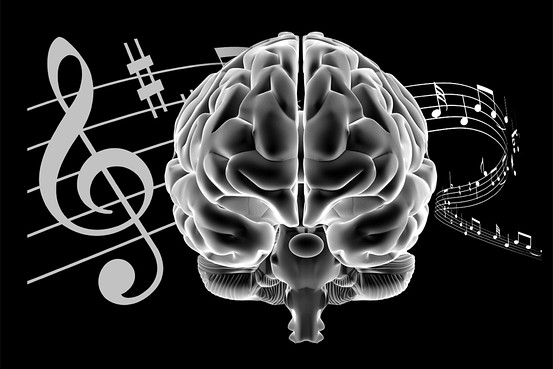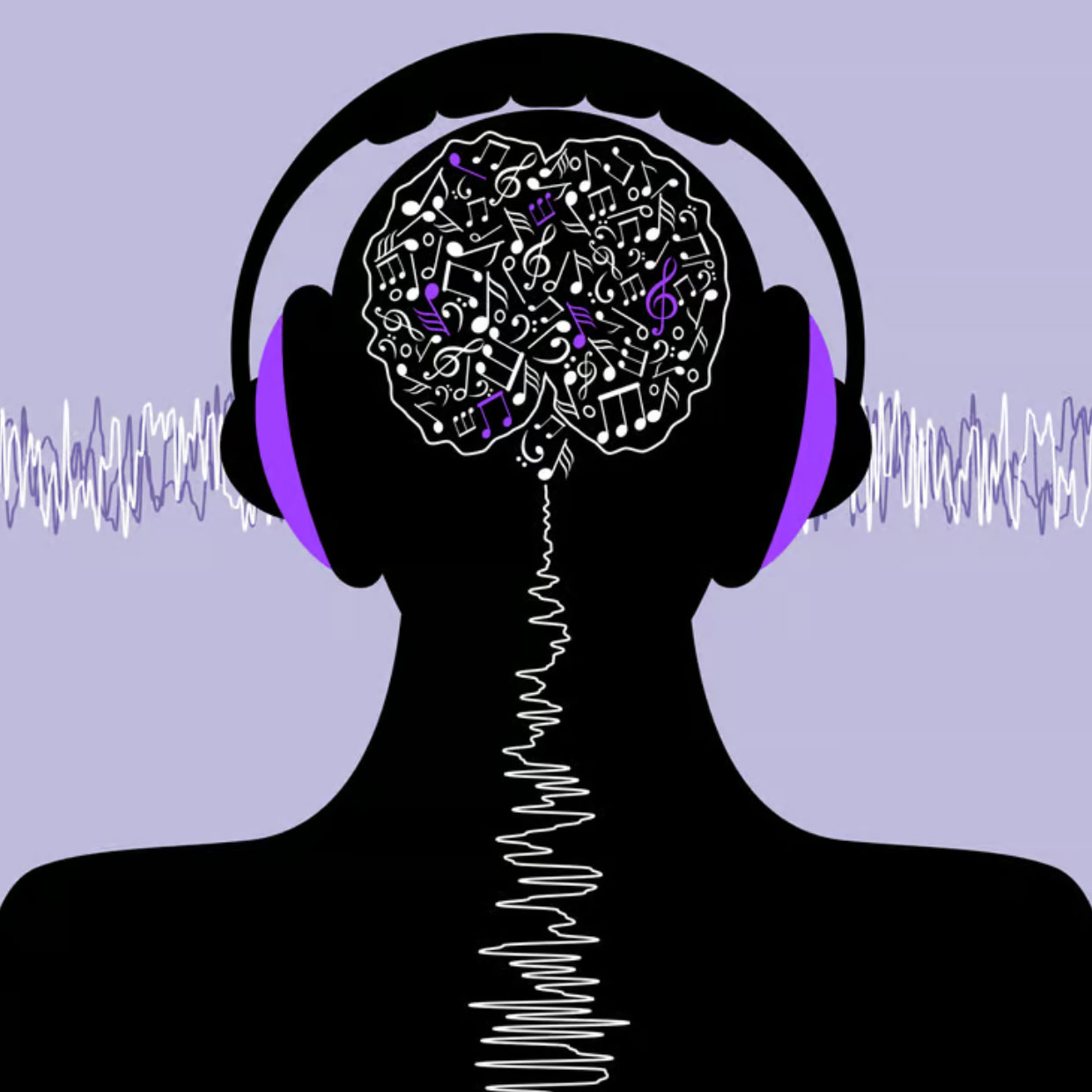
The effect of music on the mind is enormous and intricate, involving neural pathways as well as physiological and psychological responses. This multifaceted impact, in fact, is what makes music one of humanity’s deepest and most powerful cultural phenomena. Studying how music influences our brains is the premise underpinning what we know about the effects of music on emotion, cognition, memory and other neurological functions throughout the brain.
Emotional Processing:
One of the closest targets on our brains that music can change is our emotions. Music’s strength in creating intense emotions is due to its ability to stimulate the brain’s limbic region – responsible for processing emotion (as well regulating our mood). Listening to music can engage areas, even the amygdala and hippocampus, which are involved in emotion and memory.
For instance, uplifting tunes can unleash neurotransmitters including dopamine, which is linked to pleasure and reward. On the downside, mournful music can also trigger the production of prolactin, to process grief and despair. This neurochemical activity is the cause of why music can act on us so deeply, and powerfully impact our emotions.
Cognitive Enhancement:
Music also has an effect on cognitive processes including focus, attention, and problem solving. This is especially true in genres such as classical music, which the structured nature of compositions involves the brain in a manner that promotes cognitive sharpness. While existing evidence including that from the controversial “Mozart Effect” has shown that classical music listening for a short duration may augment spatial‐temporal reasoning, music’s cognitive benefits are incompletely understood.
In addition to this, playing an instrument demands the processing of sensory input alongside motor activity and in tandem with higher cognitive processes — all essential contributors toward promoting one’s neural plasticity, or the brain’s inherent adaptability and openness to change. This has fostered improved learning and brain development in children.
Memory and Learning:
The memory and learning effects of music are remarkable. Its tune and its beat can act as memory aids for shaping our knowledge. That’s why music has long been used to facilitate learning, whether it be for language acquisition or memorizing historical dates. Those that sound familiar can even prompt memory recall, a technicality therapists use to help those with compromised memories or conditions like Alzheimer’s.
Music exposure breaks it up by re-recruiting several brain areas, such as the hippocampus (the brain’s memory center), thus enriching the retrieval and encoding of memories. This multimodal experience consolidates long-term memories, it may be a promising tool for education and cognitive rehabilitation.
Stress Reduction and Relaxation:
Music can influence the autonomic nervous system to decrease stress and enhance relaxation. Calm-inducing music decreases our cortisol levels (a hormone that is linked to stress) while also increasing the release of dopamine and endorphins, which are brain chemicals associated with feeling good.
These effects of music can be used in music therapy to combat stress and anxiety, where soundscapes are utilized as spaces that create feelings of tranquility and facilitate emotional healing. Consciously manipulating tempo and harmony will also help reduce heart rate and breathing, aiding relaxation.
Social and Cultural Connectivity:
In addition to personal cognitive and affective effects, music allows for social and cultural connections. Just as we have long suspected (and before some of our ancestors began to suspect), music activates parts of the brain associated with empathy, trust and cooperation, increasing reducing social distance and promoting group coherence. That is why when you share music experiences with others in a communal setting, whether at a concert or singing in the choir, it promotes bonding and connection.
Culturally, music is a mirror of societal values and history – the very roots of culture itself – engaging brain regions associated with social processing and cultural understanding. This kind of engagement encourages empathy and a better understanding of other cultures, highlighting music’s place in the evolution of civilisation.
Motor Coordination and Rehabilitation:
Music’s rhythmical aspects recruit motor regions of the brain such as cerebellum and basal ganglia, therefore it sustains potential benefits for motor coordination and rehabilitation. In a therapeutic context, auditory rhythmic stimulation has been commonly used to assist patients recovering from strokes and other neurological disorders by creating a synchronized movement pattern with musical beat to return the motor functions.
The phenomenon of this interaction receives particular emphasis in the integrated arts form of dance, which demonstrates that music can improve motor function and coordination with structured rhythm.
Conclusion:
The effects of music on the brain are wide-reaching and far more complex than you might think, effecting emotion, cognition and even health. Music’s capacity to stimulate emotion, facilitate intellectual processes, support memory, relieve stress, build relationships and improve motor control means it is an effective tool for health and development. Knowing about these effects doesn’t just bring us closer to the music we love but can also lead to potential therapeutic applications and personal development. Music may be used to stimulate potential within ourselves and improve brain function, in much the same way we use art to reap benefits beyond their aesthetic value.