Music has this amazing potential to unite people, regardless of culture, language or class. It is a common language that brings people together; communities, countries and even nations can be broken or united by music. This uniting force manifests in countless aspects of life, whether it’s the social gatherings and cultural rituals or worldwide movements and personal exchanges. We can think about the ways in which music connects people by dissecting its function as a mechanism of social bonding, model for cultural exchange, and language of emotion and group identity.
Social Cohesion:
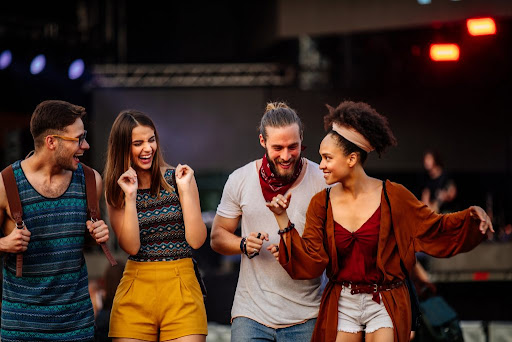
What it does at heart is to generate social cohesion, building shared experiences through music. We do not know when, but there will at some time in the future be a concert or festival where people flock together to take part in a musical, collective, emotional journey. These get-togethers tend to foster relationships, as everybody feels happy/enthusiastic/nostalgic together.
Music encourages participation and collaboration. This format provides opportunities for people to be involved: Sing‐alongs, dance circles and ensemble numbers invite participation, knocking down walls between people and creating a sense of community. This participatory quality makes its an all-embracing atmosphere, regardless of past and ability.
Cultural Exchange:
Music is a great tool for exchange of culture, as we get to learn and understand different traditions, histories and languages. Music allows people to more deeply understand and appreciate other cultures. World music festivals are a good example of how these concepts work; diverse musical expressions can be experienced and stimulate multicultural exchange and interaction.
Cross cultural projects involving musician of different ethnicity are another example of how music aids in culture sharing. They bring their own particular style and tradition to these collaborations, making for some experimental music that enriches audiences’ experiences and breeds respect. Such exchanges can erode stereotypes and bigotry, illuminating our common humanity by means of artistic collaboration.
Emotional Connection:
The power of music in eliciting and conveying emotions fosters profound emotional attachments between people. Communicating a song that speaks to you personally can also span emotional divides and build empathy. Friends with a shared favorite tune or couples that dance to “their song”… you see how music bonds people together through an emotional connection.
Music is a communal way to mourn and celebrate. National anthems, protest songs, and celebration anthems offer a soundtrack to moments of significance, providing emotional solidarity and commonality. These musical expressions serve as a means for communities to process complex feelings together, strengthening social bonds.
Collective Identity:
Music apparently often contributes to forming and expressing social identity. It’s capable of embodying the spirit of a generation, movement and community -and bodies for shared cause. Notably, genres ranging from hip-hop to reggae to punk have been linked with social or political movements and utilized music as a vehicle for social justice.
In addition, music is frequently associated with national or regional identity. Patriotic songs are national anthems, folk or regional song used to create feelings of national pride and unity among countrymen. People confirm their allegiance to the greater collective through engagement with these musical traditions, contributing to a sense of shared purpose and unity.
Innovative Communication:
Music is a type of non-verbal communication and powerful means to express emotions and thoughts beyond spoken language. It allows us to be even more effective in environments where the language barrier is a strong limiting factor. In music, melody, rhythm, and harmony express many aspects that make us human—love, pain the struggle for existence: since we tend to listen but not speak when hearing world music – words are often unnecessary.
Music is capable of conveying urgent messages and mobilising international support, regardless of linguistic nuance or geographical barriers – crossing these to bring people together for a cause.
Technological Connections:
In the digital age, music’s unifying power is magnified by technology. Fliptown utilize Cricket’s Compass musicology, Our data base and store infrastructure will allow DSPs the ability to provide all levels of consumers a track tip that speaks directly to them.”“With streaming platforms, social media, online communities have change how people can access and share music the world over. With online collaborations and virtual concerts, geographical limitations have been transcended, so that people can enjoy music together from virtually anywhere on the globe.
These digital connections form worldwide music communities in which followers work, share experiences and develop relationships. The structures in the internet where western music and other traditions converge happen to be where there are many intersections with social, political and gender relations.
Conclusion:
Music’s inherent ability to unite people is grounded in its very nature as a universal language. By promoting social bonding, cultural sharing, affective communication and group identities, music crosses borders and brings people together around the world. Music is ever-changing art that still connects us, creates community and makes us feel like we truly belong—proving it’s never obsolete from the human experience. As we continue to acclimate ourselves with this interconnected world, music serves as a powerful force across boundaries that allows us to appreciate diversity and demonstrate our joint humanity.