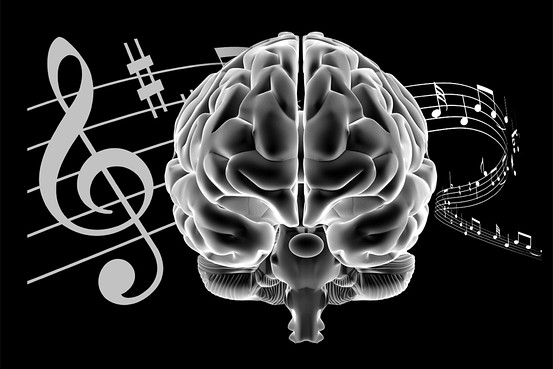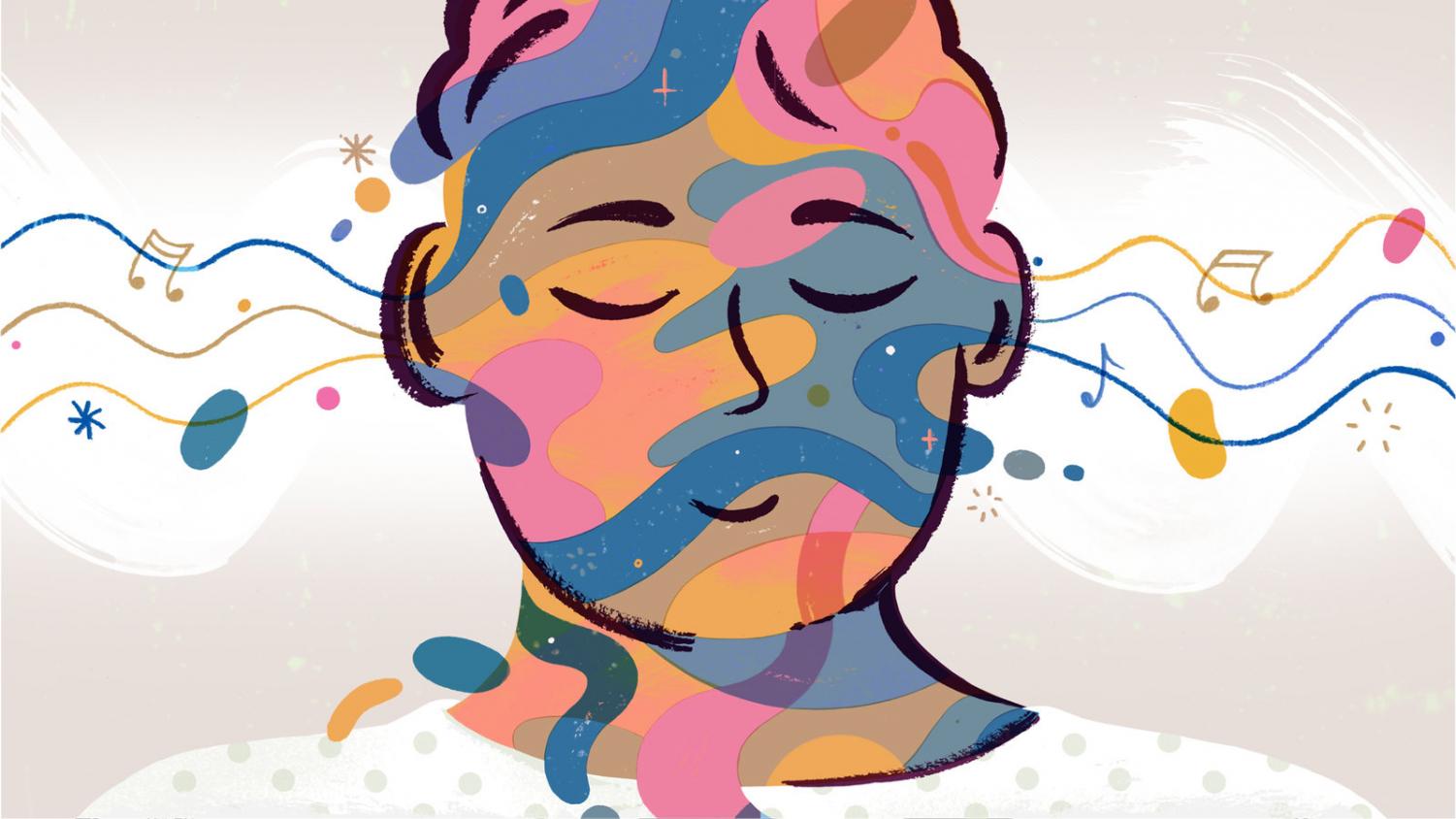
Our Celestial Anthem Music affects the emotions profoundly, because it can bring about a particular state of mind or mood that is generally substantially affected and changed owing to this unique way in which music connects the brain and body on multiple dimensions. This potent art form can turn a grim moment into an uplifted one or guide to us to process emotions that are hard for us to put into words. The way that music alters mood is a subject of interest to researchers in the fields of both music and psychology, but its effects are somewhat difficult to study, given the concurrent emotional/psychological and physical/physiological reactions.
Emotional Resonance:
The emotional power of music primarily derives from its capacity to resonate with personal experience. Songs can bring back memories and emotions of specific times in our lives. An upbeat song of celebration can even have the power to lift a melancholic mood, and similarly, a melody filled with sorrow will invoke thoughts back to old times.
Components of musical expression (for instance, melody, accompanimental harmony, lyrics or poetic rhythm) can represent emotional expression not only because they mimic the auditory features of such expressions but because music itself may directly express emotions. A fast, upbeat song can inspire feelings of happiness and excitement; on the other hand, a slow, minor-key composition could make someone feel sad or thoughtful. But the way you can echo or reflect emotions, it catches people right in their chest and gut somewhere, billions of times over a lifetime. It is this absorption that enables music to unlock sloughs of emotion for listeners enabling emotional release and healing.
Psychological Impact:
Music can be an effective mood-regulator, psychologically speaking. It can be soothing and consoling during those difficult moments, being along us– a friend who knows and replicate our mind-states. For instance, if the type of music one is listening to relates with one’s mood this can legitimise their mood and make them feel less alone in that experience.
What’s more, music prompts the brain to release certain neurotransmitters (such as dopamine) related to feelings of pleasure and reward; it can also excite parts of the limbic system, which may be involved in coordinating motivational concerns. This biological reaction is the key to music’s transformative power and instant mood booster, as well as its sheer joy.
Psychological effects of music are also used to assist in therapy to help people deal with mood disorders such as depression and anxiety. Music therapy uses the emotional pull of music to help nurture mental health, bolster self-esteem, and offer better-regulated moods.
Physiological Effects:
The influence of music upon things physiological is a fact which further admits of but little denial. It can affect heart rate, blood pressure and hormones linked with mood and emotions. For one, soothing music can lower the levels of stress hormones, such as cortisol, which can lead to a feeling of calm and thus reduce anxiety.
On the other hand, happy music has a strong beat to heighten energy and excitement, idealistic for stimulation and intensity during physical activities. A lot of others curate workout playlists meant to energize and improve performance, also proving how music can literally lift listeners up.
Social and Environmental Context:
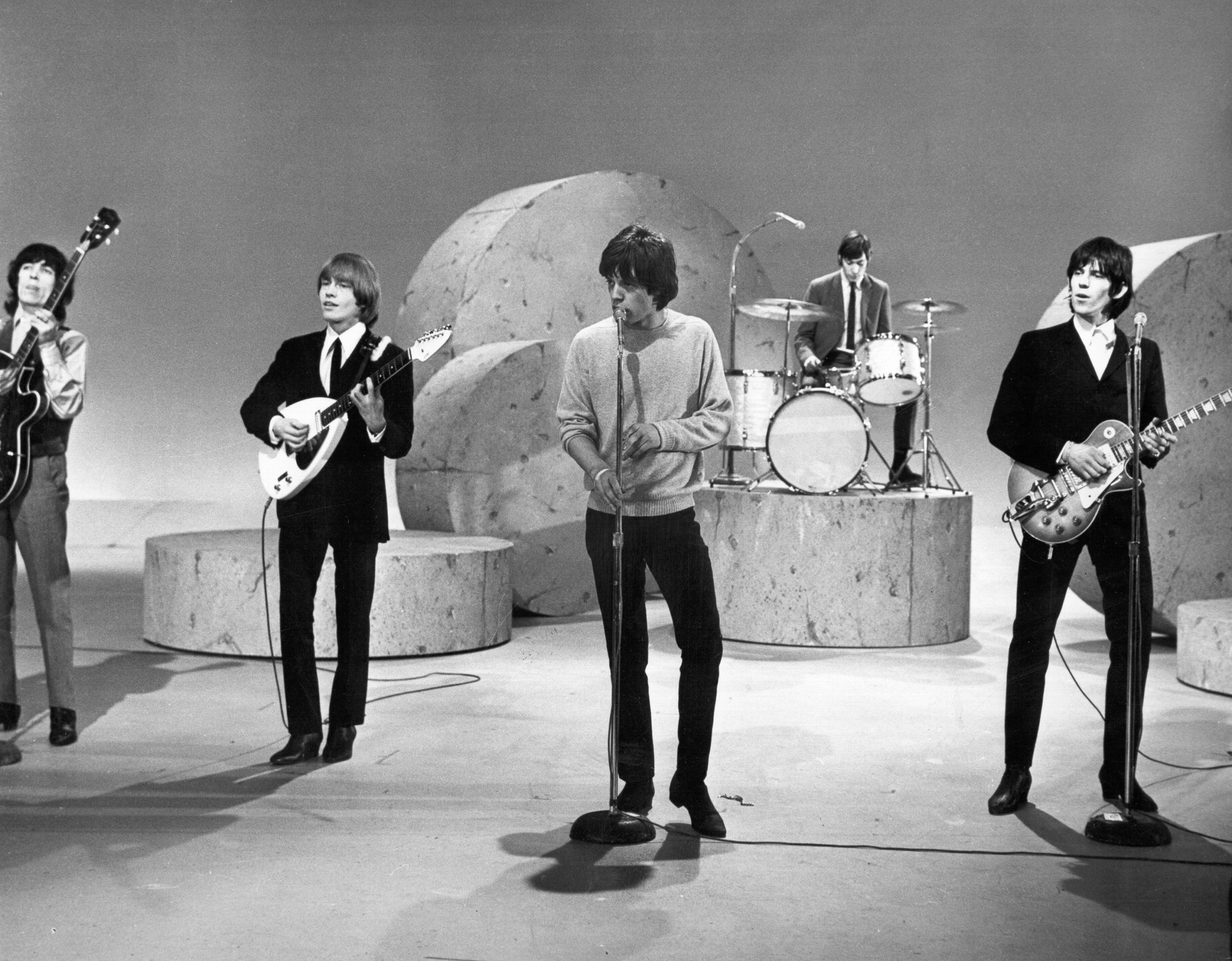
The context of the music listening experience can also impact the effects of music on mood. Music becomes even more potent in social settings such as concerts and dance parties, where it merges individual and collective emotional experiences. The collective energy in such spaces can amplify positive feelings, connecting people and making them feel more at home.
Furthermore, the context when music is heard can influence its effects on mood. A relaxed environment with soothing music may help relaxation, while stimulating music in an exciting context might increase excitation. Adapting musical choices to the environmental context may maximize its mood-altering functionality.
Personalization and Autonomy:
If there’s ever been a truly empowering part of music, it’s personalization. People can curate their own mood-based playlists, providing a d-i-y way to manage feelings. This ability to personalize allows one to do so consciously toward a desired mood.
From the relaxing songs to wind down after a long day to energizing beats that can carry us through our mornings, it’s an experience that lets us design the mood we want to hear and then have it anywhere, regardless of our need for social distancing. The ability to control and shift out of one’s current mood provides us with self-awareness, furthering overall mental health through elevating our emotional intelligence.
Conclusion:
The fact that music can change how we feel is a testimony to its powerful impact on our emotional, psychological, and physiological status. Music provides a potent tool for mood management and overall emotional health, as it provides an expressive outlet along with an opportunity to reflect and connect. Music’s mood-altering potential As much as we seem to be drawn towards music for the infinite ways in which it enhances our daily lives, on a basic and fundamental level, when things get rough and they almost always do, being able to adjust our moods is one of life’s greatest devices. Whether that music is finding a moment to get lost in your feelings, or finding the adoration of nostalgia and joy; music never gets old as an essential party who can change our moods.