The relaxing and calming power of music has long been known to provide sanctuary in a very stressful world. Every Music Genre and Style can give relaxed mind, reduced anxiety and enhance the peace of mind which is needed for better productivity. The study of relaxation through music involves investigation into how it affects emotion, physiology and mental state, as well as which types particular individuals find most conducive to bringing peace.
Relaxation and Music:
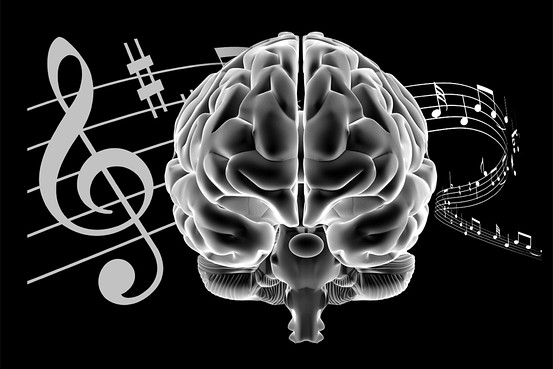
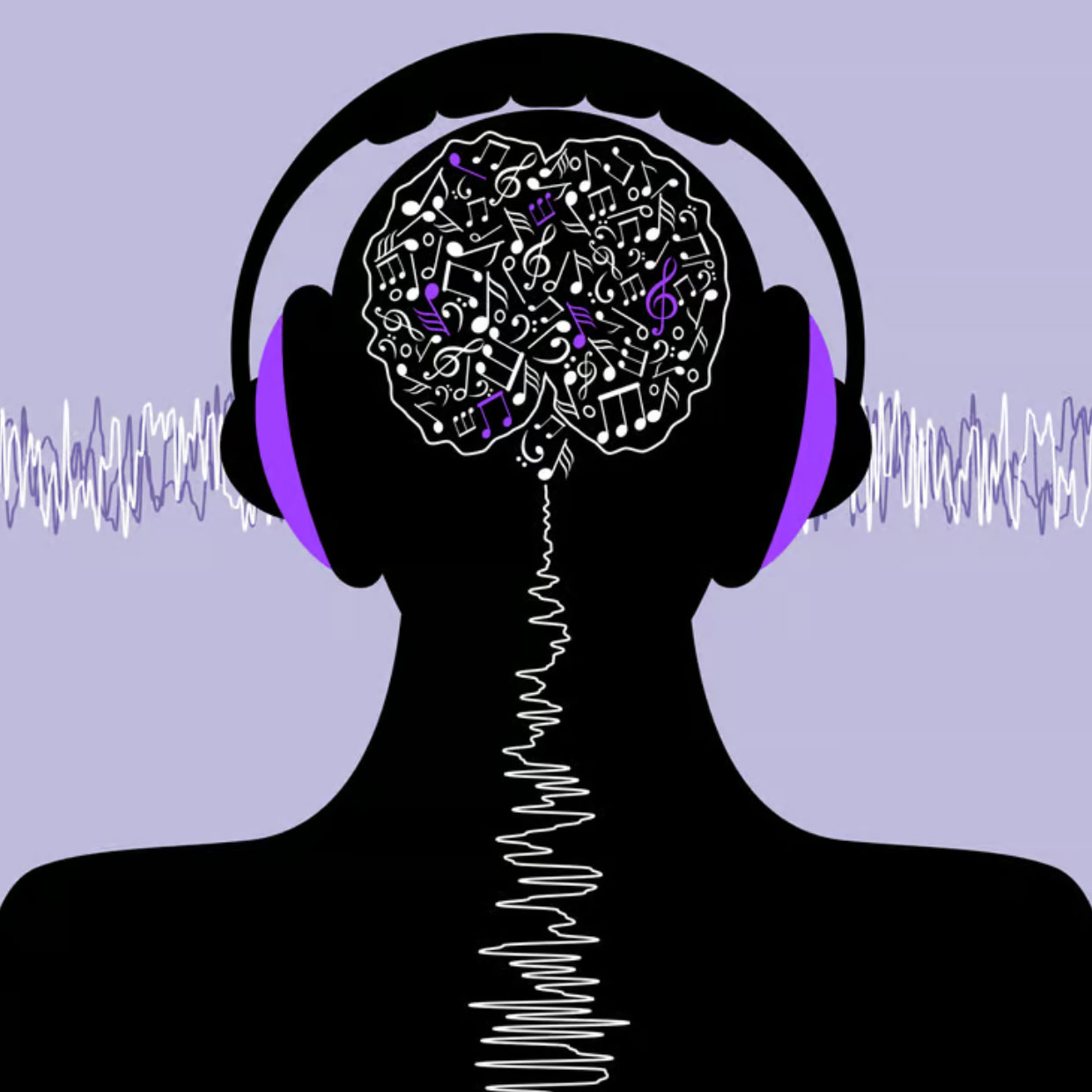
Music affects our bodies, by affecting the autonomic nervous system that controls heart rate, blood pressure and stress hormones. Music that relaxes can decrease cortisol, which is produced when a person is stressed and in turn ease the production of dopamine and endorphins for an overall sense of well-being.
Music also influences brain wave activity. Some rhythms and tones can promote alpha brain waves, those associated with wakeful relaxation, or even theta waves, which are tied to deep relaxation and meditation. This exchange illustrates music’s ability to serve as a conduit for reaching a calm state.
Genres and Styles for Relaxation:
Classical Music Classical music — especially slow-tempo and soft-dynamics pieces — is famous for relaxing effects. Including beautiful music by composers like Claude Debussy, Erik Satie and Johann Sebastian Bach with calm melodies and harmonies that also have vibrations to help induce a very relaxing state of mind. Works like Debussy’s “Clair de Lune” or Satie’s “Gymnopédies” are especially useful for encouraging calm.
Ambient Tracks: If you prefer tranquil, atmospheric and minimalist soundscapes, ambient music create the perfect atmosphere for relaxation. Artists such as Brian Eno and Moby have made albums with the intent of calming and contemplation. The gradual, ever-shifting textures, and the absence of a definitive structure, require no effort on the part of listeners to grow meditative.
Sounds of Nature: Adding the sounds of nature, like rain or an ocean, to music can make it more relaxing. These sounds bring the peace of nature into your home and alleviate stress by inducing feelings fro relaxation. Several relaxation playlists intertwine soft instrumental tunes with natural ambience, allowing you to indulge in a complete soothing experience.
Lo-fi and Chillhop: While there are gray areas between genres, these two tend toward downtempo beats and laid back melodies. These tracks are also filled with jazz, hip-hop, ambient sounds that emit a chillax type of vibe. Lo-fi music evokes a nostalgic feeling and has a steadiness to its rhythm that brings it into many study or downtime playlists designed to create calm without lulling you completely to sleep.
Meditative and New Age Music: Meditative music – which is popular in yoga studios and during mindfulness or guided imagery exercises – includes repetitive, calming sounds and gentle tunes. Artists like ‘Enya and Deuter share their inspirational music mixed with traditional instruments counterbalance a mood of relaxation peace or trance. New Age music ranges from deep, meditative styles to more intense, electronic soundscapes.
Personalization and Context:
A few genres known for being particularly relaxing are also mentioned, but it’s important for people to be sure they are selecting the right relaxation music based on their individual preference. What one person finds calming does not necessarily calm another. By engaging himself in different types of music and comparing it with his mood level and the stress stimuli, as soon as he finds the most effective style for relaxation, he can employ this specific style to achieve a higher state of relaxation.
The listening circumstances also matter a great deal. In addition, dimming lights and employing soft furniture can reduce the effects of distracting musical memories as well as background distractions in such a way that there was little to nothing to distract from the assigned task. Similarly, music as a tool for relaxation rituals during activities where the user has no access to additional context or visual representations of the environment (for example, in a hot bath, yoga practice or when about to retire to bed) is thereby further added value by being incorporated into the users’ ritual.
Using Music for Relaxation Rituals:
Putting some tunes on your relaxation to-do list can provide a structure that helps maintain well-being. A few minutes of calm music at the beginning or end of your day can set a good tone, prepare you to go back to doing what you need to do or ease you into sleep. Mindful practices and exercise Music can be used as a tool for teaching basic mindfulness practices and deep-breathing techniques, helping the student to focus and maintain their attention while meditating or doing deep breathing exercises.
When consistently paired, music can act as a cue for the body to relax, creating a conditioned response which makes it easier to slip into a calm state. Music therapy applies this concept to help people sooth anxiety and build emotional strength, highlighting the therapeutic value of music.
Conclusion:
Music is a proven means of relaxation and stress relief, soothing the mind and soul in an unfolding step by step manner to achieve tranquility. By broadening the spectrum of music and infusing it into daily life, you will sooth yourself with soothing sounds; give yourself some great relaxing time to trend on oneself; subdue stress in style moments and enhance thoughts… all with fabulous tricks of tunes. Being a solitary escape as well as social activity, music for relaxation will always be deeply ingrained in human life easing mental and emotional health issues in an increasingly busier world.