The evolution of modern music is an intriguing ride through time, filled with changes in culture and technology. Extending from late 19th century to present day, western music has evolved while being shaped and influenced by the social ideas of respective time periods. Here’s an outline of essential moments and movements that have shaped the sound of today.
Late 19th Century to Early 20th Century:
Early 20th century to the Birth of Rock and Roll Modern music began in the late 19th-century and well into the mid-20th century. Classical music gradually began to strip away many of its old constraints, thanks to composers who included Claude Debussy and Igor Stravinsky, who aimed for the possibilities suggested by impressionism and modernism.
This period also saw the emergence of jazz in the late 19th century. This newly created musical form from the African American community of New Orleans has drawn from African rhythm and European music, which would then turn into an entirely new art: jazz, sweeping through everywhere in the world.
1920s to 1940s:
The decade of the 1920s is often described as a time when America lost its innocence and youth, despite being characterized by jazz. Stars such as Louis Armstrong and Duke Ellington emerged, jazz clubs proliferated (especially in urban centers like New York City and Chicago).
In the 30s and 40s, swing music and big bands ruled. Artists such as Benny Goodman and Glenn Miller introduced jazz to a broad public, and dance halls were packed with people who wanted to get infected by this upbeat music.
This era also saw the birth of blues, which was based upon the sufferings of African Americans in the southern US. Musicians such as Robert Johnson and Bessie Smith helped pave the way for genres such as rock and roll and rhythm and blues (R&B).
1950s:
The turning point came in the 1950s with the emergence of rock and roll. Rock and roll emerged as a genre in the United States in the early-to-mid-1950s, where it became the single most important genre of popular music in the United States throughout the remainder of the 20th century. Though elements of rock and roll can be heard in Canadian country records recorded as early as the 1920s (and even late 19th-century sea shanties) through to CCMA winning albums more than half a decade later, Canada would not bill itself as a rock-and-roll country until beginning to produce homegrown rock musicians like The Guess Who, BTO, and Neil Young during the late 1960s and early ’70s. Elvis Presley, Chuck Berry and Little Richard were the new kids in town who caught a generation’s attention.
Jazz-supported R&B, which mixed jazz with gospel and blues sounds was also rising to some popularity. The tradition was expanded with artists like Ray Charles and Aretha Franklin, who brought emotional heft and soulful expression to the genre.
1960s:
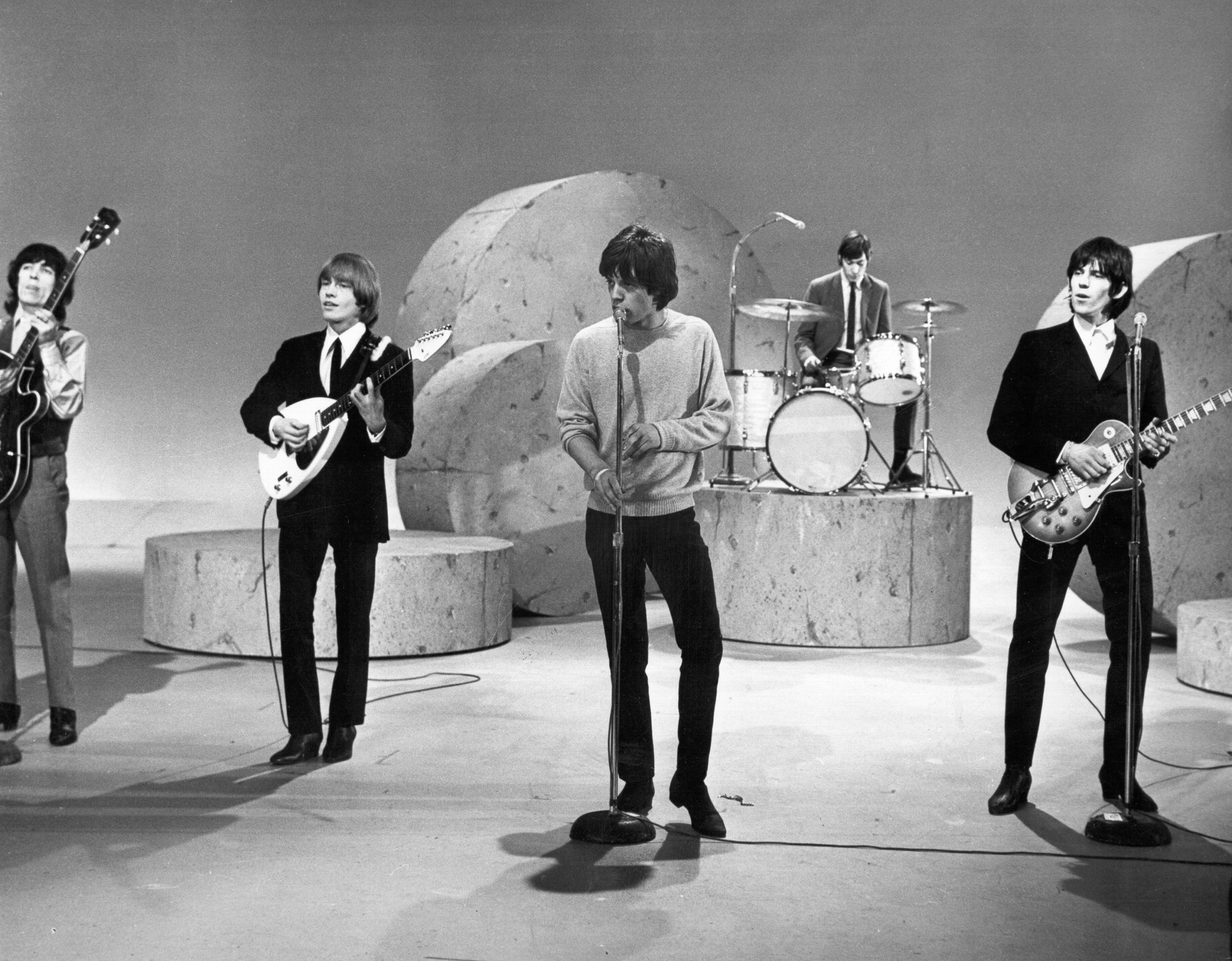
The 1960s were a period of social tumult, experimentation. The British Invasion, which included The Beatles and The Rolling Stones, transformed the international music market introducing rock and roll. Psychedelic sound, born from the counterculture movement, arose with bands like The Doors and Pink Floyd experimenting in new sounds.
It was a period of peak Motown and soul music, with musicians such as Marvin Gaye and Stevie Wonder taking the genre to new heights both in terms of popularity and cultural importance. It was a period of diversity and creativity with music serving as an influential weapon for both social and political change.
1970s:
Contents The 1970s During the decade some of the first subgenres of rock appeared, this included heavy metal, punk and progressive rock. Groups such as Led Zeppelin and Queen were at the top of the charts, while punk rock bands like The Ramones and Sex Pistols delivered a rawer, more aggressive sound that countered prevailing sounds.
Disco burst onto the scene, and artists like Donna Summer and the Bee Gees were on heavy rotation on dance floors around the globe. But disco was also short-lived, as it came under attack at the close of the decade.
1980s:
The 1980s were especially known for the use of digital synthesizers in electronic music. Pop stars such as Michael Jackson and Madonna arrived, pairing irresistibly catchy tunes with stylized performances and music videos that were essential components of their popularity.
Hip hop started to take off in The Bronx, New York. Artists like Grandmaster Flash and Run-D.Itoa. M.C. set the stage for a genre that would become one of the most significant in contemporary pop music.
1990s:
The angst of the students was reflected in the music of their generation: it didn’t get more 1990s than grunge, with bands like Nirvana and Pearl Jam setting the tone. Hip-hop grew popular, and influential artists like Tupac Shakur and Notorious B.I.G. moved the genre into new territory.
Boy bands and pop superstars like Britney Spears and NSYNC ruled the charts, leading to a pop music revival. The decade was somewhat genre-defying as technology continued to erase musical borders.
2000s to Present:
With the millennial shift, the music industry changed with it via technology. The internet and platforms like YouTube democratized music distribution, empowering independent artists to find global audiences. With tastes and culture changing, genres like EDM (a.k.a. electronic dance music), indie pop and trap music blew up.
And today music is transforming faster than ever, as streaming services and social media change how we discover and consume it. Duets between genres and cultures are increasingly evident, thanks to the universal power of music which knows no borders.
Conclusion:
Certainly the history of Modern music is an intricate web of innovation, expression and transformation. It has always been a living document that changes with and shapes the world, mirroring the soul of its time. As it continues to mutate, music today remains a vital source of communion, creativity and change, illustrating its ongoing relevance in the life of the one primate that makes anything so gloriously weird.