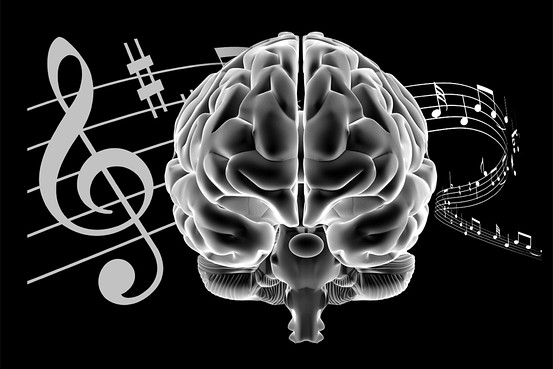
Music has great power in of everyday life, we listen to it consciously and unconsciously. The music seeps into every nook and cranny of our lives, the mundane and the momentous, as a soundtrack to it all. It connects us with vibrations that can lift us up or get our feet moving — and far from just being background noise, music is, in many ways, what makes us human. Exploration of the power of music in daily life must include examination of its emotional, cognitive, social and cultural consequences.
Emotional Influence:
One of music’s most direct consequences is on our emotions, giving us ‘feels’. Upbeat rhythms in a major key can make the difference between feeling sluggish and slow to get up, while beautiful, soothing music could settle our mood after a frantic day. Not only are these emotional transitions short-lived, but they have an enormous power to change the way we think and how we interact with our world in terms of decisions and relationships.
Listening to music can provide an emotional release for a lot of people. It provides a means for working through intense emotions and comfort or understanding when you need it. This emotional attachment is probably why favorite songs, or genres, are so personal—each song even can represent a single emotion or memory and be really helpful for working through emotions as well giving yourself time to both hum and reflect.
Cognitive Enhancement:
Music and cognitive functions in everyday life Music is also of great importance for cognitive functions in daily life. It may enhance focus and performance, especially in activities requiring creativity or repetitive work. Instrumental or classical music, also known as the “Mozart effect,” is believed to help focus by creating a non-distracting background that kicks the brain into gear.
One other aspect of cognitive performance that is affected by music is memory. People often employ songs and beats when they want to memorize something, such as students studying for exams or people trying to absorb a foreign language. The melody and rhythm help us remember.
Social Bonding:
It has been said that music is a universal language and I agree with it when we get beyond the age, race or social group, as human beings can communicate through the world of notes. It enables social bonding and sharing) within our daily lives. Whether with family, friends or crowds, music seems to be part of any communal experience.
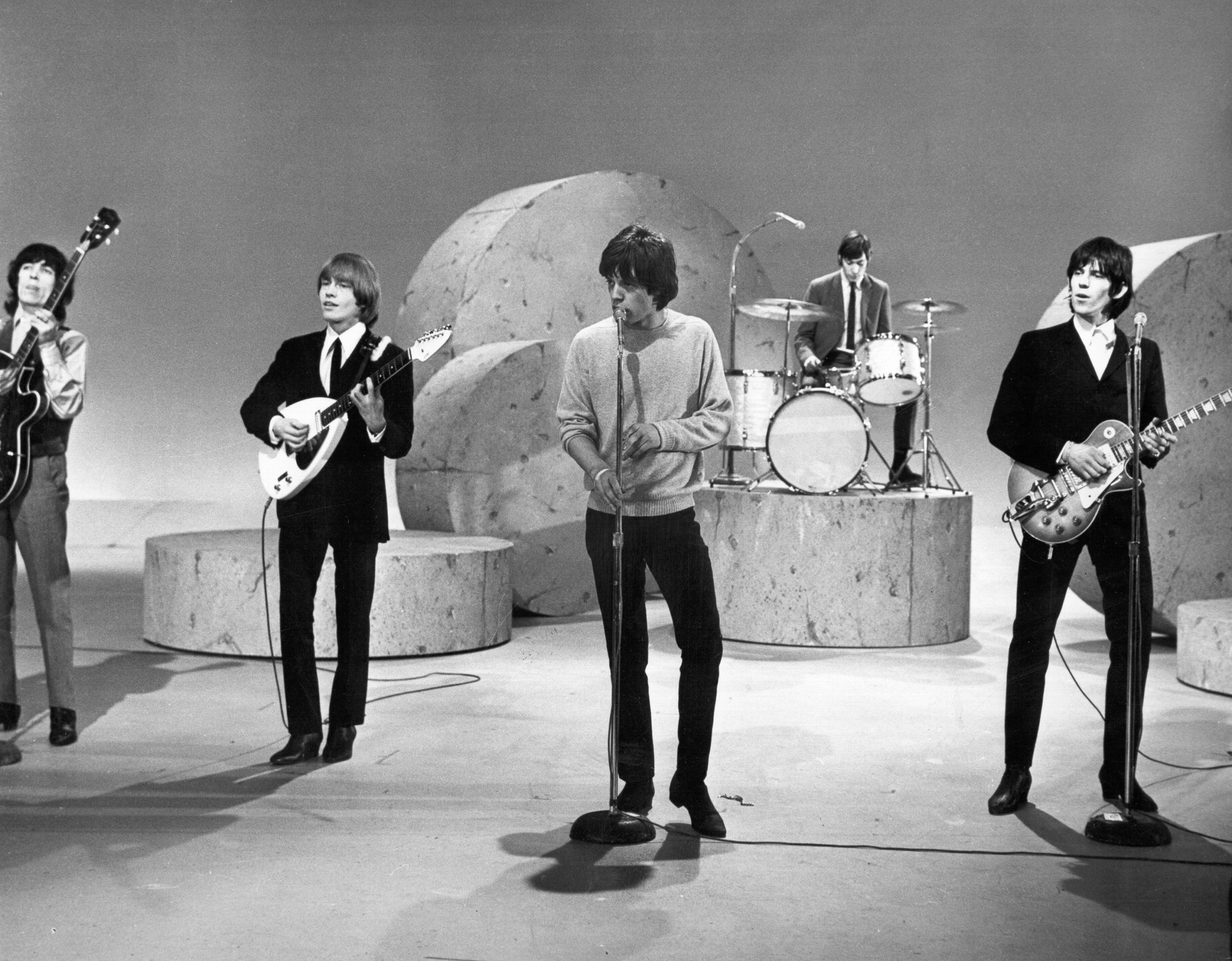
By performing music, such as singing in a choir or playing in a band, students learn how to work together and communicate with one another. It also increases social co-operation and a sense of belonging. Even fleeting everyday experiences, like singing a song together on the radio, can maintain social bonds and shared mempries.
Cultural Significance:
Music is a mirror of culture, reflecting values, struggles, and achievements over time. It conserves tradition and illuminates the historical background of various cultures. Encountering a variety of musical traditions in one’s life can increase cultural knowledge and understanding – encouraging global tolerance and empathy.
Music is indispensable to many cultural rituals and rites. It is used to give value and emotion to life-cycle events such as weddings, funerals, festivals. “Music is formed around who you are—if you want to be an American artist, or a Latin one.
Physical and Mental Well-being:
Using music in everyday life can be beneficial for physical and mental well-being. When used as a stress reduction tool, music can act as a relaxing agent that helps to decrease anxiety and reduce cortisol levels. Some individuals listen to music while meditating, practicing yoga or engaged in other relaxation techniques to bring more pleasure to the process.
Music can have physical effects on the body, including the ability to change heart rate and boost endurance which is particularly useful for exercise and sporting activities. High-energy music in workout playlists can inspire and empower individuals to make exercising more enjoyable and beneficial. This double-pronged effect — on both the brain and the body — demonstrated music’s two-fold influence on health.
Personal and Creative Expression:
Finally, by offering the opportunity for personal expression and creativity music opens up an additional avenue. Through playing, writing, or improvising music, people are able to connect with who they are and express their individual point of view. This avenue of creativity is necessary for the evolution and enlightenment of the individual.
This is something that music makers have the privilege of exploring. Playing with music in a creative way (like curating a playlist, or exploring unfamiliar genres), even for those of us who are not musicians, can unlock new ideas and insights in other contexts.
Conclusion:
The impact of music on us is far-reaching in our daily lives; it affects our emotions, cognition, socialization and culture; along with well-being and individual expression. It elevates the mundane and provides both a comforting presence and force for change and connection.” Subconsciously or not, we find a way to add music into every aspect of our lives, proving that fact of its relevance to us. Through music, we elevate and enhance the quality of our daily lives, creating a richer and more connected existence.