Music has remained a timeless tradition and an important part of human existence across many centuries, as music easily communicates to every single individual regardless of geographic, cultural or linguistic background. It plays an integral role in our lives beyond merely entertaining us and has various effects on emotions, mind, society, even body. The reasons why music is important take the shape of its role and influence both, on a personal level.
Emotional Connection and Expression:
Music is fundamentally, at its very core, deep emotional expression. It has the power to make one feel happy, sad or even emotional for no reason whatsoever. This is why people play music at all major life events (from weddings and funerals to celebrations). For the most part, it adds to the ambience of emotion during these times and provides some depth when followers connect with their emotions.
Secondly, music is a place where people can let it all out. This is one of the best ways for people who struggle to communicate verbally, they can speak fluently in music what they cannot speak in words. Indeed, hearing a song that reflects one’s mood can be soothing — it provides solace when times are tough and even ramps up happiness in good times.
Psychological Benefits:
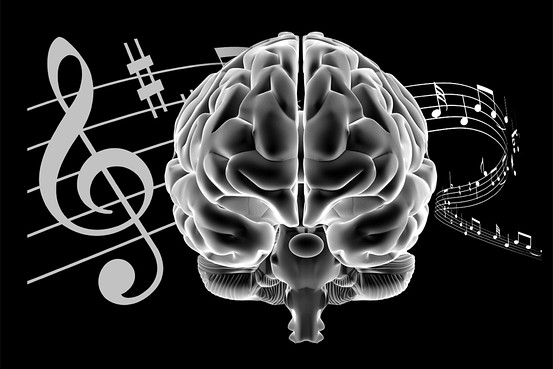
Music is also important to mental health. Research suggests it can lower anxiety, ease depression and enhance mood. This healing power of music is utilized in music therapy, where therapists employ music interventions to achieve personalized goals. Active or passive music therapy in itself has been used to contribute to cognitive functioning, emotional development, communication skills and social interaction.
The speaker explains that music’s delicate balance of predictability and surprise means it can provide one’s reward system with all the stimulation it needs, which may account for why the effects are so powerful. When we listen to music, dopamine is released in exactly the same way as when you enjoy food and exercise. This biological reaction helps to explain why music can feel like a salve for body and soul.
Social Connections and Identity:
Music is a social catalyst, and it’s embedded in our culture. It binds people together, breaks down boundaries and does not lead to an “us vs. them”. Singing in a choir, going to concerts and sharing music with friends allows members of our society moments when we are together.’
And one such medium of cultural expression is music. Every society has its music that grew out of history, beliefs and values. Connecting people to a variety of musical styles, they can have knowledge about world’s cultures and ways of thinking as well as become more thoughtful and informed.
Cognitive Development and Learning:
Studies suggest that music contributes to cognitive development. Part of that cognitive complexity comes from playing an instrument—a skill that requires a symphony of reading, listening, and responding in real time. This fascinating mental riddle may be one reason musical training has been linked to more robust academic performance.
The musical aspect of the rhythm and repetition in music has been found to help with memory making it a strong resource for learning. Consider how children effortlessly learn their alphabet through song. There is evidence that music’s mnemonic capacity can be mobilized in teaching, enriching pedagogy and making it more effective and dynamic.
Physical and Physiological Impact:
Music has tangible physiological benefits. It can control heart rate, lower blood pressure and decrease stress. The beats of energetic music can keep us awake during exercise sessions or long drives, whereas gentle lullabies tend to soothe babies.
Music’s physical influence is utilized as a supportive rehabilitation tool within healing environments. For example, rhythmical auditory stimulation to promote motor recovery in stroke survivors. The regimented beat can help reset brain connections and promote motor coordination, demonstrating the tangible physical impact that music has.
Conclusion:
Music is meaningful to us because everything else it is too: the near pervasive medium of music touches nearly every aspect of our human experience. It has the capacity to animate, connect and rise above – it is an essential part of being alive and living. From solace to stimulus, companionship to comprehension there are countless ways music adds color and depth to our lives. As we keep figuring out the complexities of our brave new world, music’s value as a soothing, emboldening and uniting ingredient can never be faked.