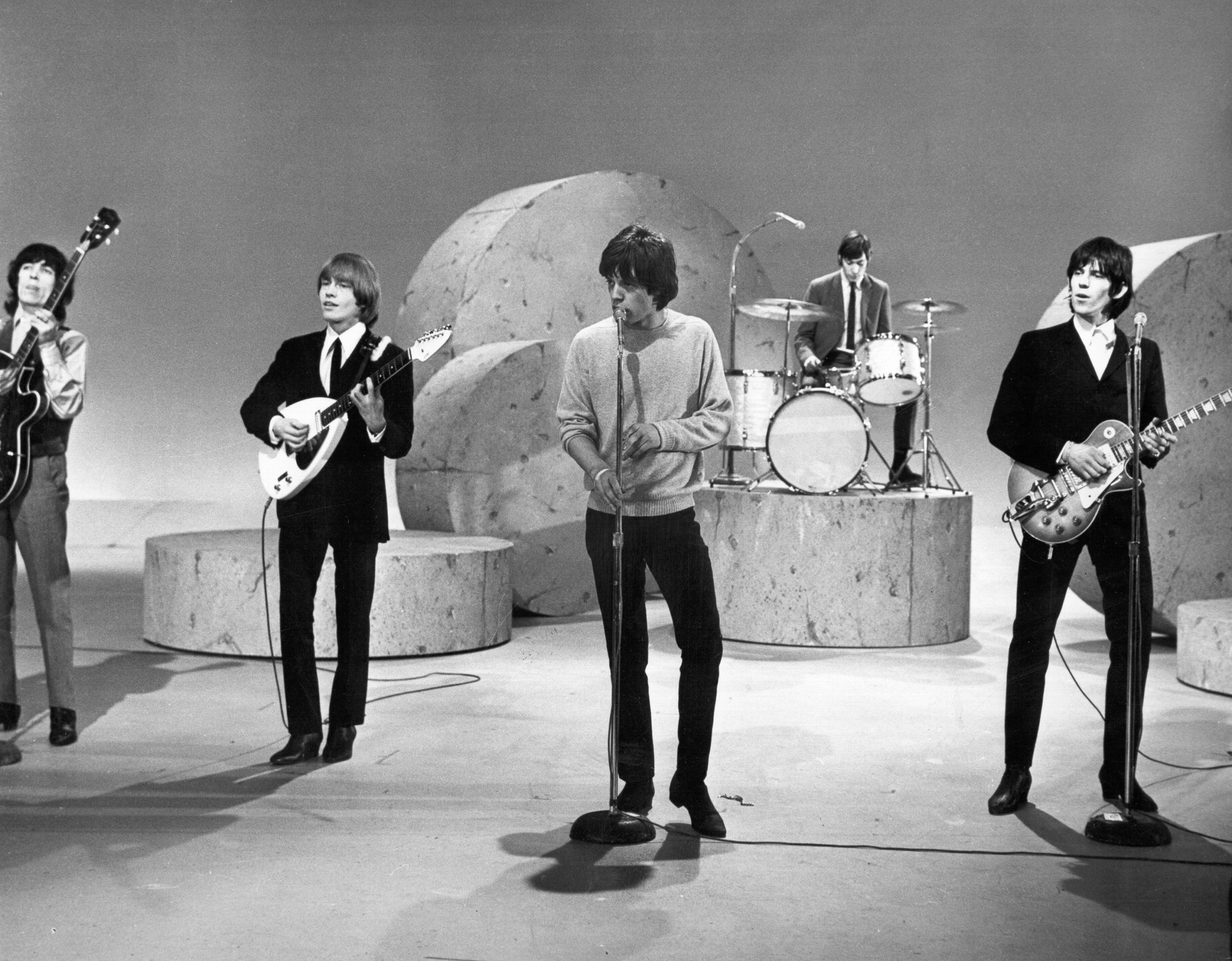
The power of music has always been at the core of human civilization for centuries being considered as a universal language that transcends cultures and beliefs. The incredible effect it has on humans cannot be overstated, and there are so many reasons why music is something that we all need. Here, I will examine several important elements of music’s essentiality to us.
Emotional Connection and Expression
It is widely known that the ability of music to summon and express emotional states is why it has such a striking impact. Be it the feeling of sadness in a blues song or the rousing beat of a symphony, music has an uncanny ability to express emotions that we often struggle to convey with our words. For most people, listening to music is a way to release emotion, and have solace if you’re sad or hype if you’re happy. It helps us process difficult feelings and can be an effective form of therapy for people who are experiencing stress, anxiety or depression.
Cultural Identity and Preservation
Music represents the fabric of cultural identity, is the backbone to traditionality. All societies and generations have their musical traditions. These practices are not only entertainment but also a way to keep history, stories and values alive. Traditional rhythms of African drumming and complex compositions of classical Indian music, enrich these musical forms to provide continuity with cultural heritage and belonging. And for people who are living far from their home countries, music can be a soothing echo of home and a tether to culture.
Cognitive and Educational Benefits
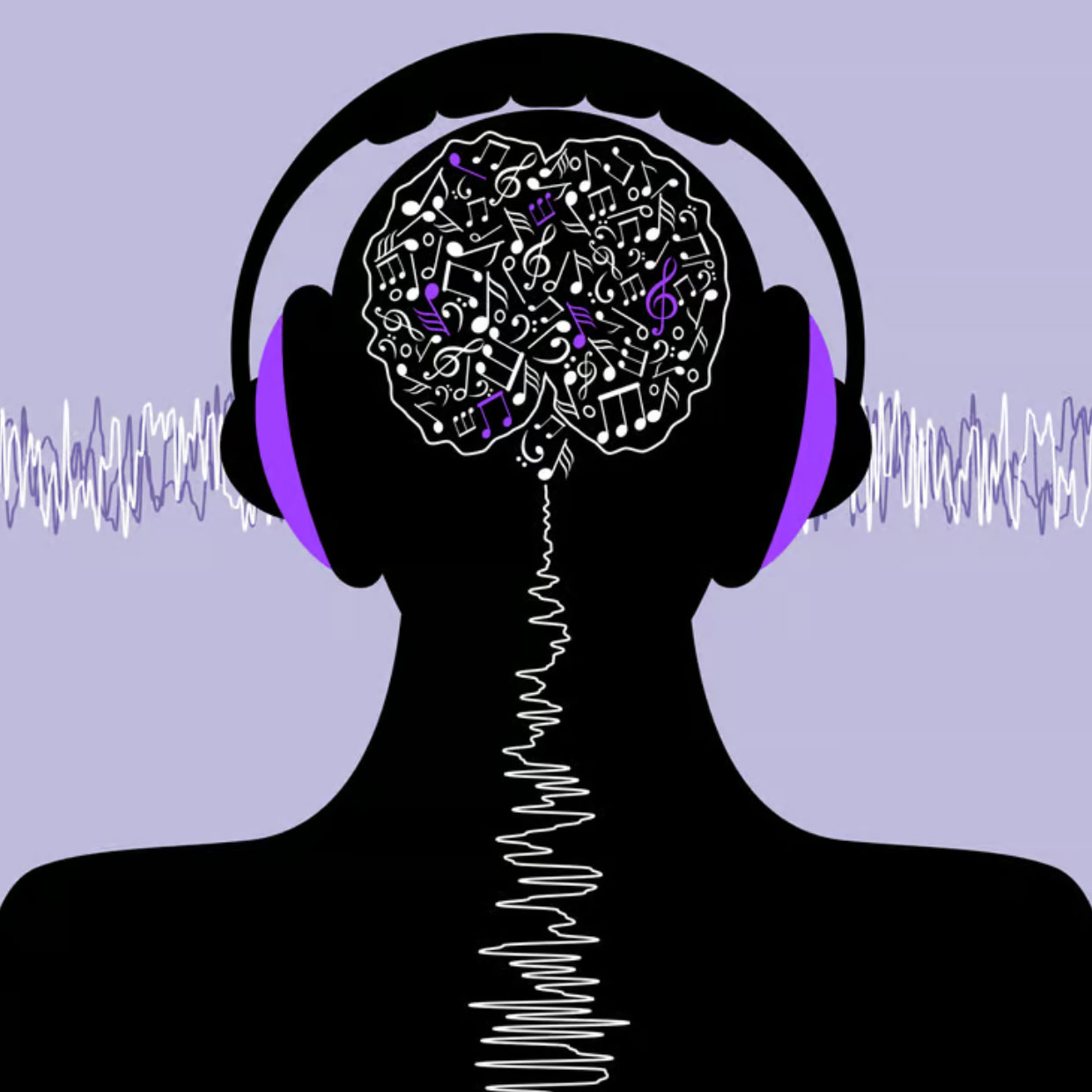
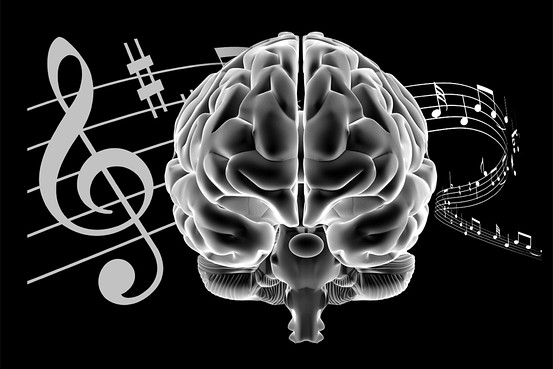
We know that interacting with music, whether listening or making it, can influence cognitive development. Playing an instrument, for instance, has been associated with better memory as well as improved coordination and concentration. Music education can help young children develop language and mathematics skills, as well as lead them to higher IQs. Listening to music also activates brain regions associated with reward, emotion and arousal, promoting a state of mental wakefulness.
Social Connection and Community
“Music is a great way to get people together.” Be it a concert, a cultural festival or even just getting together with friends; music draws people together and lights up social connections. The act of sharing togetherness in music can bring down the divides among people and inspire friendship and community. When sharing a song with other singing or instrumental musicians, skills contributing to communication and collaboration are taught, pointing to the significance of pulling together for common meaning.
Physical Health and Well-Being
The use of music has its effects on physical health too, as per the news. Research has found that listening can lower blood pressure, heart rate and levels of stress hormones. This may help with anxiety and immune function. In addition, music therapy has been used in hospital settings to ease pain and promote recovery, improving the mental and emotional quality of patients.
Innovation and Creativity
Music sparks your imagination and creativity. Many artists and musicians have been inspired by music, but even people in other careers can drawn inspiration from this art form to find solutions and make new connections. It forces us to be creative, and it motivates us to seek out alternative solutions. Writing music as an art form in and of itself is a powerful tool for self expression, providing a creative space that can be both rewarding and life changing.
Everyday Enjoyment and Enrichment
Aside from the function of music, it just makes our mundane life more beautiful. It gets us through the mundane aspects of life, so that chores feel less burdensome and commutes slightly more bearable. It records memories, commemorating milestones and memories that lets us experience the fresh air of those memories. Discovering a new favorite song or listening again to an old classic might boost our mood and make the day-to-day more enjoyable.
In brief, music is not a hobby but an essential aspect of the human experience. It feeds our emotional and mental health, promotes cognitive and physical well-being and builds social behaviour. In a world that’s faster and ever more contentious, music is still the ultimate unifier, a source of healing and elation. It’s a part of what makes us, well, us – and it reminds us that we are more connected as people than not, and infinitely capable of creation and compassion.